Jekyll Island is a wonderful destination for collecting seashells along Georgia’s coast. Its natural beaches, changing tides, and peaceful shoreline make shell hunting a relaxing activity for visitors of all ages.
From the driftwood-covered northern shore to the quieter southern beaches, there are several places to search for coastal treasures. Guests staying in Jekyll Island vacation homes can easily spend a morning exploring these beautiful locations.
Why Is Jekyll Island a Good Place for Seashell Hunting?
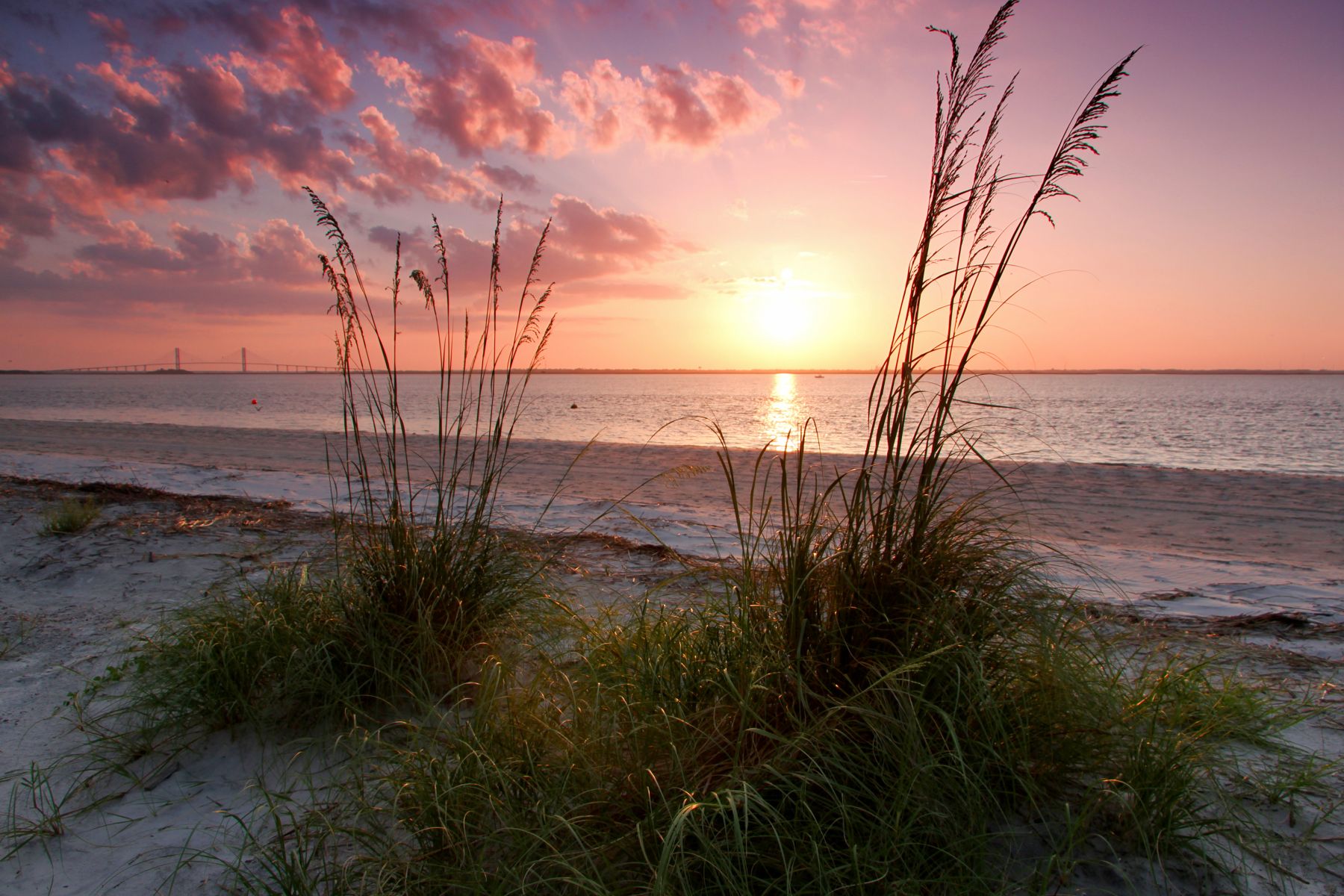
Jekyll Island features approximately 10 miles of beaches, offering plenty of space for visitors to explore. Its protected coastal environment supports marine life, and changing tides regularly bring shells onto the sand.
Unlike heavily developed beach destinations, much of Jekyll Island’s shoreline remains natural. Shell hunting is one of the most accessible outdoor activities on Jekyll Island, requiring little equipment or experience.
Where Are the Best Beaches for Shelling on Jekyll Island?
Driftwood Beach
Located on the northern end of Jekyll Island, Driftwood Beach is famous for its weathered trees and unusual coastal landscape. Visitors can search the shoreline for shells while walking around the fallen trees. Low tide provides more exposed sand for exploring, although shell availability changes with the tides.
The beach is also a popular photography destination, making it an excellent place to combine shell hunting with sightseeing.
St. Andrews Beach

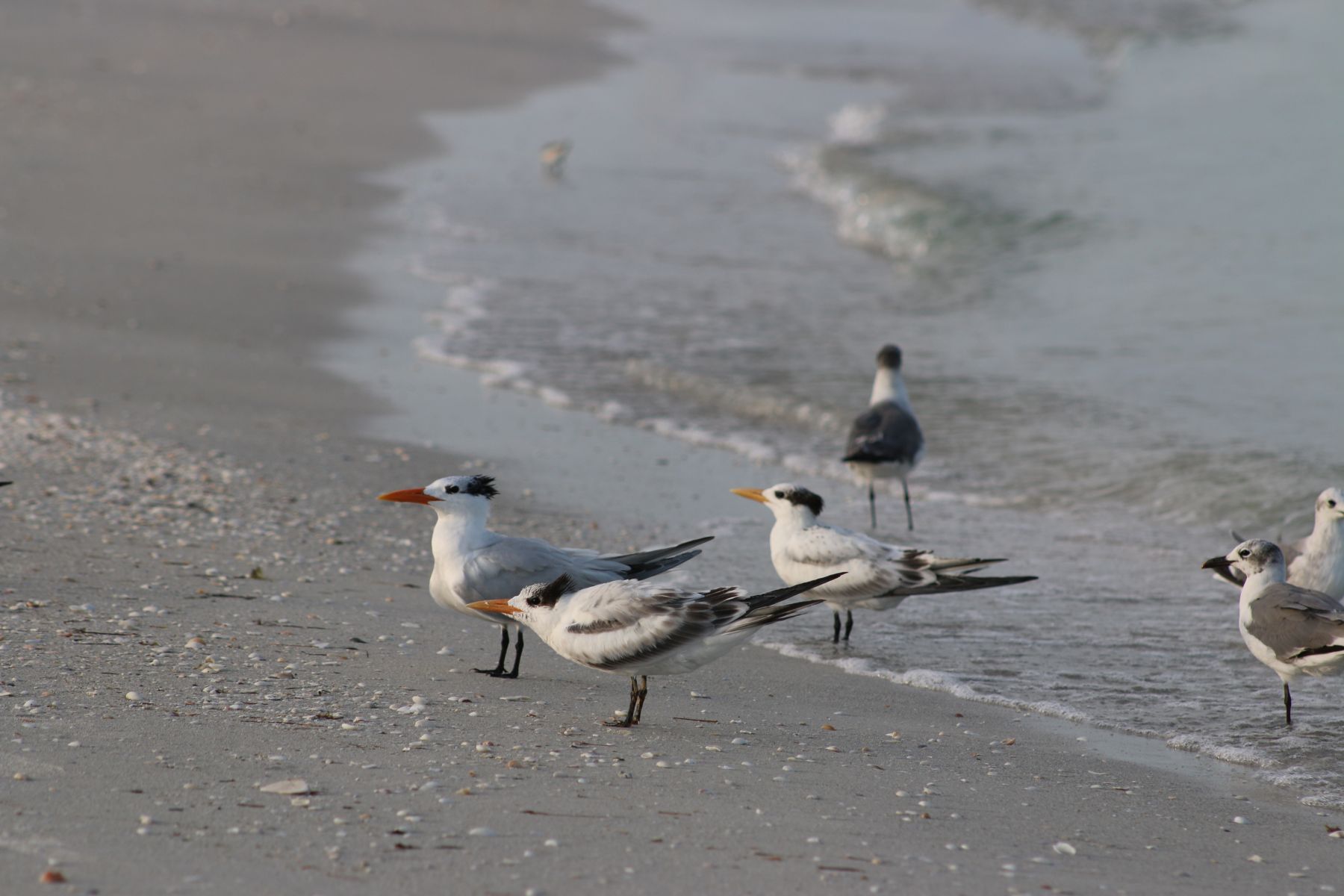
St. Andrews Beach, near the southern tip of Jekyll Island, is one of the island’s most recognized shelling locations. This peaceful beach is known for its natural shoreline, abundant wildlife, and opportunities to find shells along the sand. Visitors may also spot dolphins and shorebirds during their walk.
St. Andrews Beach Park provides parking, restrooms, and a wildlife viewing platform, making it convenient for families.
Great Dunes Beach
Great Dunes Beach Park offers another accessible location for searching for seashells. Located along the island’s eastern shoreline, this beach features wide sandy areas that become more exposed during low tide. The park includes restrooms, outdoor showers, picnic areas, and recreational facilities.
Families staying in Jekyll Island vacation rentals can enjoy a morning of shell hunting before spending the afternoon swimming, picnicking, or relaxing on the beach.
What Types of Seashells Can You Find on Jekyll Island?
Jekyll Island’s beaches may contain several types of shells commonly found along Georgia’s coast.
Some shells to look for include:
- Oyster shells: Rough, irregular shells commonly found along coastal shorelines.
- Clam shells: Rounded shells that vary in size, color, and texture.
- Scallop shells: Fan-shaped shells with raised ridges.
- Cockle shells: Rounded, ribbed shells that often wash onto sandy beaches.
- Whelk shells: Spiral-shaped shells that are sometimes found along the shoreline.
Visitors may also discover sand dollars, although intact specimens are less common. Remember that only dead sand dollars may be collected.
When Is the Best Time to Go Shelling on Jekyll Island?
Shelling During Low Tide
Low tide is generally the best time to search for seashells because more of the beach becomes exposed. Plan your visit around the local tide schedule and examine the areas where waves have deposited shells. Early mornings can also provide a quieter experience before more visitors arrive.
Looking for Shells After Storms
Waves and changing currents can bring new shells onto the shoreline after storms. Once conditions are safe, beachcombers may discover shells that were previously underwater. Avoid visiting during severe weather, strong winds, or dangerous surf conditions.
What Should You Bring for a Shelling Trip?
A little preparation can make your shelling adventure more comfortable.
Consider bringing:
- A small mesh bag for collecting empty shells
- Comfortable sandals or water shoes
- Sunscreen, sunglasses, and a hat
- Drinking water
- A phone or camera for photographing interesting discoveries
- A tide chart to help plan your visit
Visitors staying in Jekyll Island oceanfront villas can enjoy convenient beach access and plan their outings around the changing tides.
What Rules Should You Follow When Collecting Seashells?
Jekyll Island is a protected state park, and visitors must respect its wildlife and natural environment. The Jekyll Island Authority allows visitors to collect empty shells and dead sand dollars. However, shells containing living animals must remain on the beach.
Never remove live marine creatures, disturb sea turtle nests, or enter protected dunes. If you’re unsure whether a shell contains a living animal, leave it where you found it. Following these guidelines helps preserve the island’s coastal environment for future visitors.
Plan Your Visit
Your next Jekyll Island shelling adventure awaits! Choose from our full selection of Jekyll Island rentals to discover your ideal coastal retreat.
Final Thoughts
Driftwood Beach, St. Andrews Beach, and Great Dunes Beach are excellent places to enjoy shell hunting on Jekyll Island. St. Andrews is particularly well known for shelling, while the other beaches offer scenic shoreline walks and opportunities for discovery. Check the tides, bring a small collection bag, and take your time exploring the sand.
Book Your Jekyll Island Vacation Rental with Parker-Kaufman Realtors
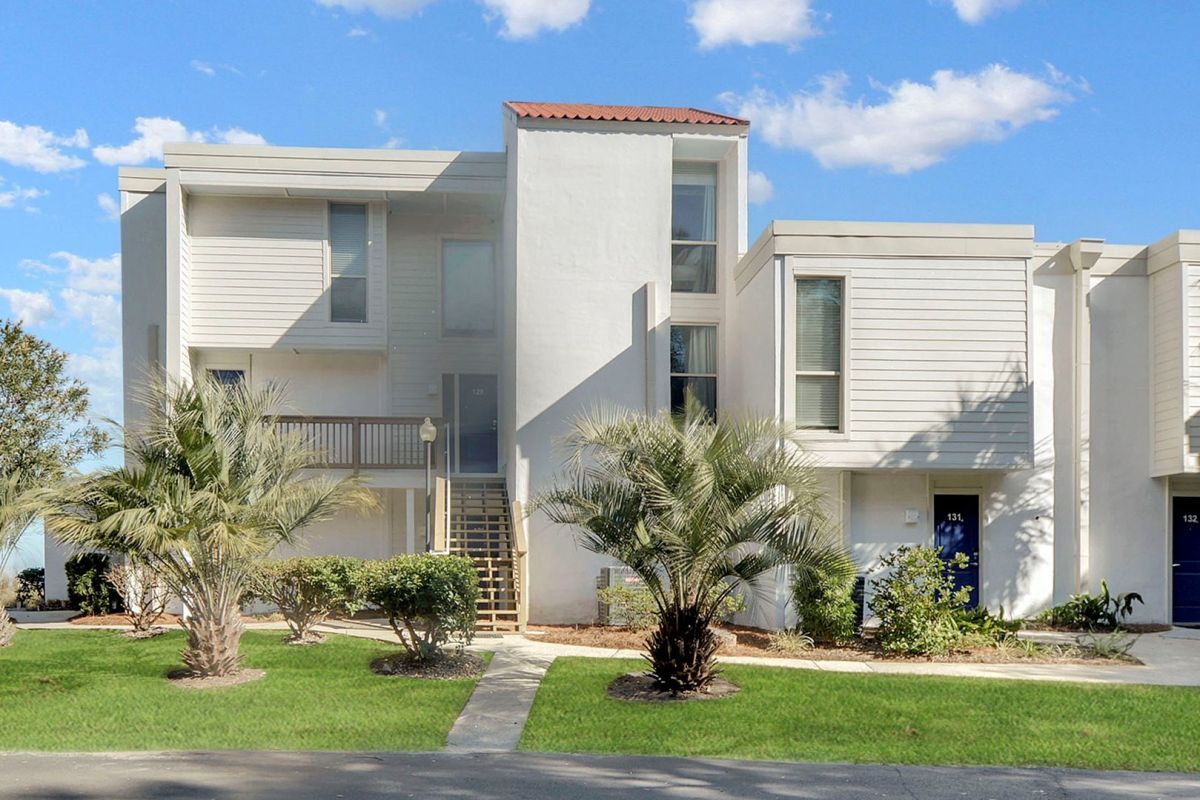
At Parker-Kaufman Realtors, we’ve been serving our community for over a century, helping families enjoy memorable vacations along Georgia’s Golden Isles. Our pet-friendly rentals make it easier to bring your dog along for permitted beach walks, while our oceanfront rentals put the shoreline close to your accommodations.
After a morning collecting seashells, return to a comfortable vacation home where your family can relax and enjoy time together. Browse our Jekyll Island vacation properties and book your next coastal getaway with Parker-Kaufman Realtors!
Sources
- Jekyll Island Authority | Beaches
- Jekyll Island Authority | Picnic Areas and Beach Park Amenities
- Jekyll Island Club Resort | Driftwood Beach
- Jekyll Island Club Resort | St. Andrews Beach and Seashell Hunting
- Jekyll Island Authority | Conservation and Seashell Collection Rules
- Jekyll Island Authority | Beach Rules and Safety Tips